

Date Published
Content Warning: nudity, gore, and extreme violence.

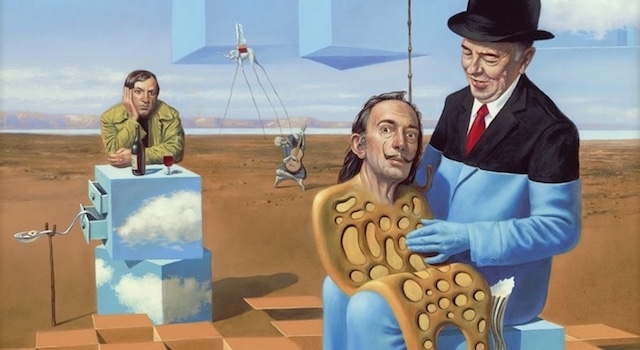
In 2016 Michael Cheval painted “Lullaby of Uncle Magritte” as homage to famous surrealist artists Salvador Dali (melting cheese), Rene Magritte (Bowler Hat & Umbrella), and a young Pablo Picasso (drinking wine). 1920’s Dadaism is the failed predecessor to it’s more popular successor Surrealism. Dadaism was rejected for it’s complete separation of what many called “human decency” from the absurdly grotesque unconsciousness. For all intents and purposes, Surrealism is Dadaism rebranded as a new product, despite the same old recipe. What lead to the sudden acceptance of surrealism within a mere decade? Was surrealism actually accepted or did society become desensitized by Los Angeles crime? The reality is that the surrealism founders learned to “say less” publicly because the core principles are still rejected by society and for good reason. Surrealism founder Andre Breton loosely defined the boundaries of his chaotic art movement with as little restriction on primitive nature as possible. In the hands of untethered men, Surrealism unleashes the most depraved of our own inhumane nature.
Content
Black Dahlia
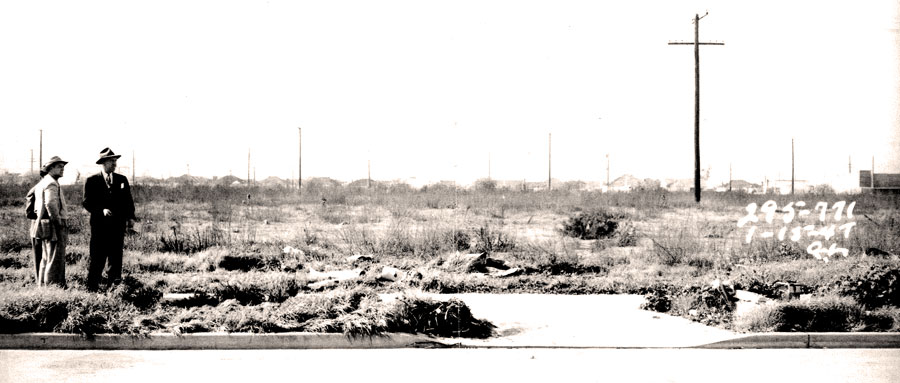
Crime Scene
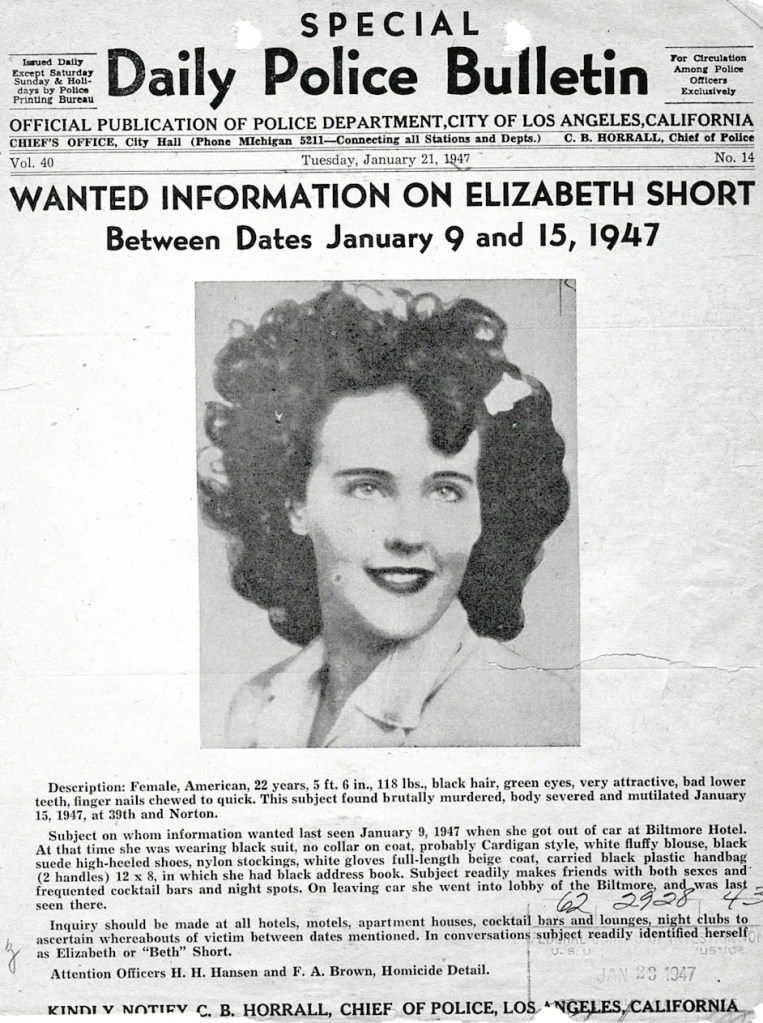
On the morning of January 15, 1947, twenty-two (22) year old Elizabeth (Beth) Short was discovered in Leimert Park of Los Angeles, California. Six (6) days earlier, Beth was dropped off at the Biltmore Hotel. Based on the autopsy wounds with the time of death, Beth was tortured for the entire (6) days of unaccounted for time. As seen below, the LAPD printed out bulletins seeking information on the whereabouts of Short during those six (6) days.
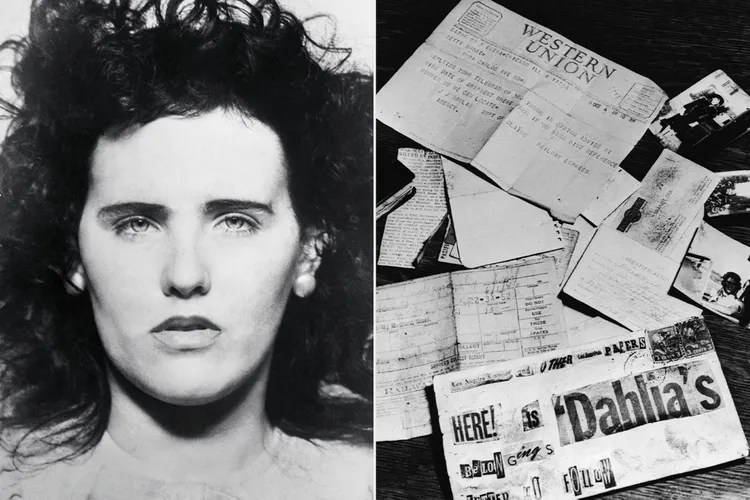
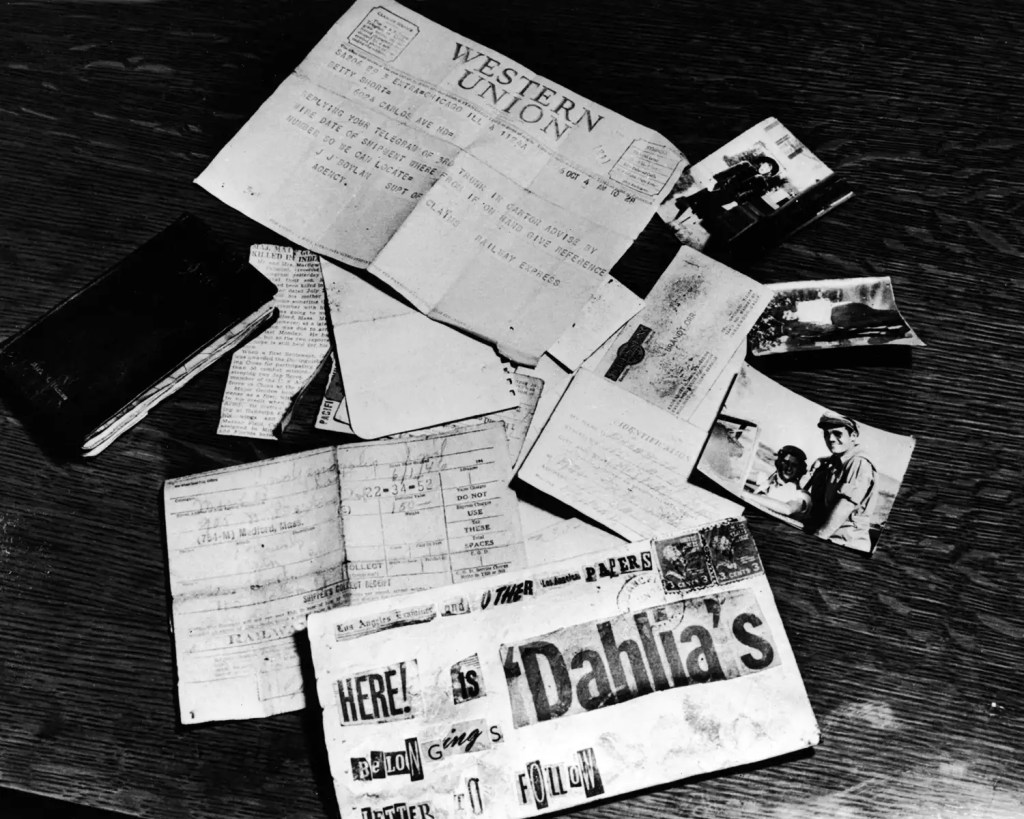
A week after Elizabeth Short’s murder, a mis-labeled gasoline-soaked envelope addressed to “Los Angeles Examiner and other Los Angeles Papers” arrives at the post office. The suspect tucked Elizabeth’s birth certificate, Greyhound baggage claim check, six (6) photos, a social security card, and a newspaper clipping all within the envelope (The Dial Murder Network). Shortly after the police received the envelope, an anonymous suspect called the Los Angeles Police Department (LAPD) saying, “Don’t try to find the Short girl’s murderer because you won’t.” Eventually, a package with Elizabeth Short’s belongings (The Dial Murder Network).
“Don’t try to find the Short girl’s murderer because you won’t.” – Anonymous call to the LAPD
Coroner & Detective Summary
Evidence
700 documents
2,200 pages
one (1) gasoline-soaked envelope
one (1) package with Short’s belongings
Clues
23 total clues within the envelope
One black address and telephone book with “Mark Hansen” in gold letters
The uncanny surrealism “art” signatures on the body.
Suspects
316 total suspects
50 arrested & released
19 suspects confessed
- The body was drained of all blood indicating that there is another crime scene (Aster Motel).
- Victim’s face, hips, and pubic region were cut with a scalpel leaving multiple “scrapes/scratches” (small).
- The cause of death was a blow to the head. Her head had a few major impact wounds to the head.
- Her body was cleanly and surgically bisected in half at the duodenum and aorta. The bifurcation cuts between in spinal discs L4 & L5 vertebrae discs. This procedure was called hemicorporectomy, which requires a specialized skill that could only be obtained by either: being a surgeon or a WWII Veteran (Details in the Hemicorporectomy Section). This aligns with the Exquisite Corpse game where the art itself was folded in a similar way to how the body was bisected. Short’s entire digestive tract remained in tact without spilling any of the contents during the procedure.
- A Glasgow smile was carved into her face from the corner of the mouth to the ears.
- A partial mastectomy was completed on one breast and several pieces of flesh were carved out of Short.
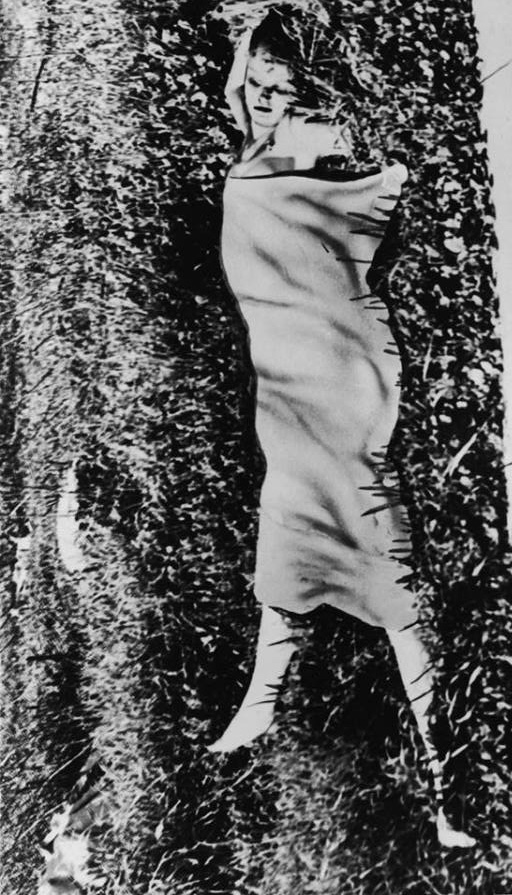
- Her body was washed (organized/pre-meditated) after death and sodomized post-mortem (disorganized/chaotic with hygiene issues mental illness). Both indicate polar opposite criminal profiling. The suspect would also be inclined to have a criminal sexual record and/or has necrophilia.
- 10 hours between the time of death (TOD) and body discovery. This alone creates suspicion because the hemicorporectomy operation can take 6-8 hours to successfully complete. Include the time to clean, mutilate, drain the blood, transport the body, and sodomize the corpse. All without being seen by any witnesses in a fully public location.
Mark Hansen
was a major Hollywood producer who allegedly dated Elizabeth Short before she died. Beth was invited to stay at Hansen’s harem for young aspiring actresses, singers, and models. Mark Hansen had ties to Leslie Dillon and the gangs of Los Angeles (think Leslie Dillon and the Glasgow Smile on Beth).
Elizabeth Short was an aspiring actress rumored to be dating Mark Hansen before he forced Beth to evict Hansen’s harem. A gold-embossed book reading “Mark Hansen” was included in the gasoline-soaked envelope with Elizabeth Short’s important documents were delivered to the LAPD. Mark Hansen is also seen in photographs with Elizabeth Short, just before her death. There is evidence, motive, and witnesses (at the Aster Motel) pointing to Mark Hansen as a key suspect in Elizabeth Short’s murder.
Leslie Dillon
tossed Elizabeth Short’s gasoline-soaked belongings were found in a dumpster only a block away from Leslie Dillon‘s home. With connections to gang-related crime funded by Mark Hansen, evidence ties Leslie Dillon to the aiding, abetting, and obstruction of justice for Elizabeth Short’s murder (The Dial Murder Network). While Leslie Dillon was connected through the dumpster package full of Elizabeth Short’s clothes and belongings, it is pretty safe to say that Dillon was a hired-hand accomplice to Mark Hansen’s more grotesque desires.
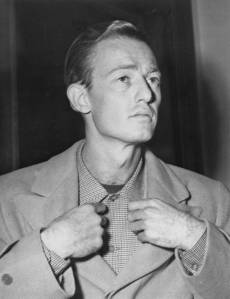
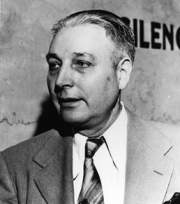
George Hodel
was a sadistic psychopath, who also studied medicine. In the 1930’s when Dr. George Hodel was in medical school, the hemicorporectomy procedure was taught. At one point, Hodel’s daughter filed charges against him for sexual assault and incest. At which time, she claimed that she had witnessed her father murder Elizabeth Short in the basement of Sowden House. According to the police report, Dr. Hodel hit Elizabeth over her head knocking her unconscious or dead.
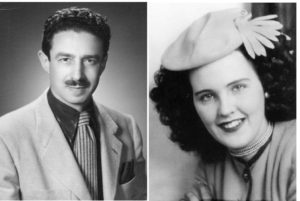
 Dr. George Hodel on the left and Elizabeth Short on the right (The Dial Murder Network).
This witness testimony fits with the autopsy report that claims the cause of death was caused by blunt force trauma to the head (The Dial Murder Network). Additionally, Dr. Hodel’s handwriting matched the Black Dahlia letters that were sent to the press. The LAPD began surveillance of Dr. Hodel in the 1950’s and a screenshot of the transcript can be found in the image below (Guardian).

In his last possessions, Dr. Hodel saved family portraits taken by a world-famous surrealist, Man Ray. Dr. Hodel, was close friends with Man Ray. These Man Ray photographs included Mark Hansen with Elizabeth Short. Dr. Hodel lived in the famous surrealist John Sowden House, pictured below, by surrealist architect Lloyd Wright (son of Frank Lloyd Wright) in 1926 (The Dial Murder Network). There is no doubt that George Hodel was a very big fan of surrealism. Key evidence, motive, surgical skill, and witnesses tie George Hodel to the murder of Elizabeth Short.

Surrealism
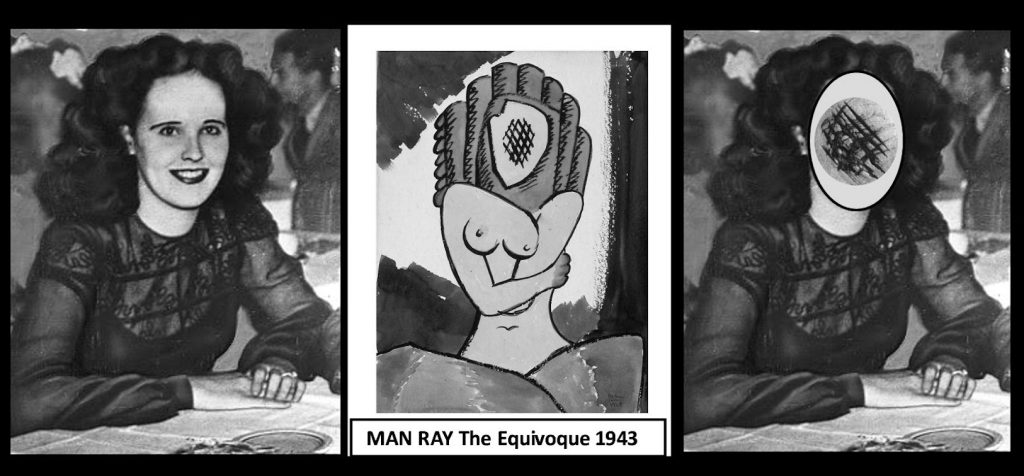
“…work reflects both desire and loathing for the female body — a classic surrealist conflict” JSTOR San Francisco Museum of Art (Pasquarelli). Sexual violence and rape are an act of hatred. Elizabeth Short was a victim of a uniquely vile sexually-driven crime. Short was sexually brutalized in the name of surrealism, or surreally brutalized. In the picture to the right, Elizabeth Short before and after the Glasgow Smile and numerous injuries to the head and face (The Dial Murder Network).
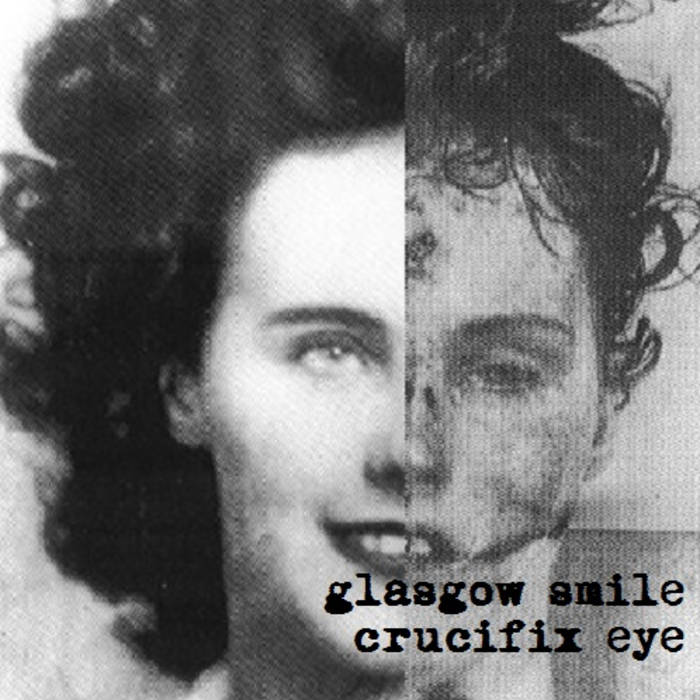
“[Surrealism] work reflects both desire and loathing for the female body — a classic surrealist conflict” JSTOR San Francisco Museum of Art (Pasquarelli)
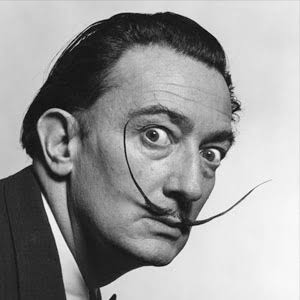
Salvador Dali
was one of the most famous surrealist artists, he is pictured to the right with his signature mustache (The Art Newspaper). Interestingly in 2017, Dali was exhumed to conduct a paternity test. A woman falsely claimed she was Dali’s illegitimate heir. At the very least, Dali fans would be pleased to find out his famous twirling mustache has remained in perfect condition at the proper ten past ten (10:10) since 1989.
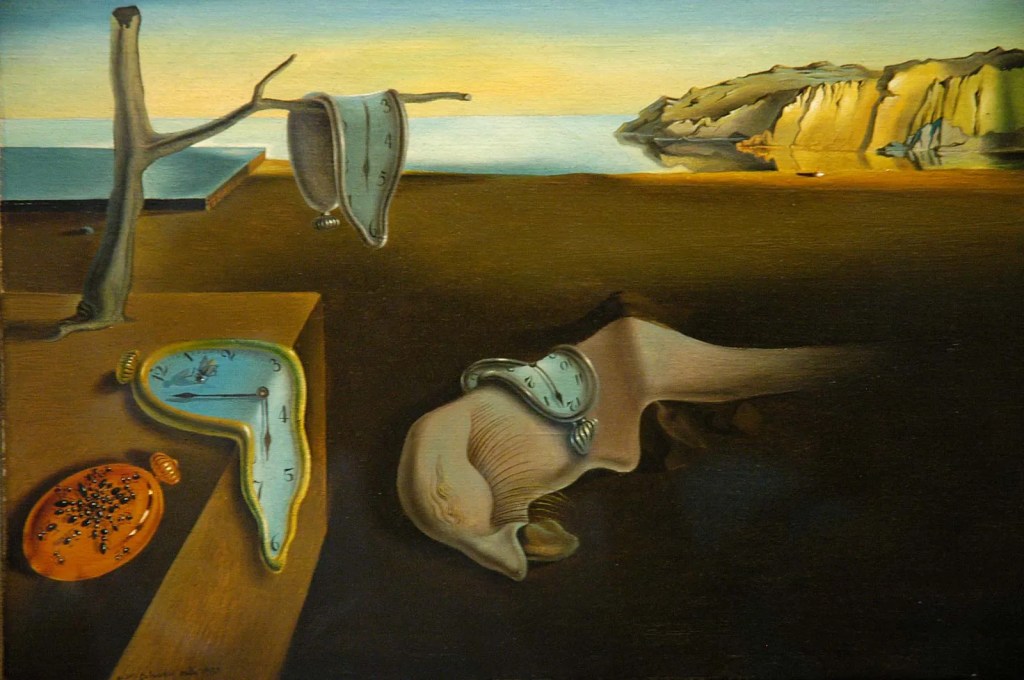
Surrealism allows for absurdity and the unconscious. Most surrealist artists maintained some sense of rationality. Surrealist artists, like Salvador Dali , often embrace a less controversial form of hedonism with a primary objective to maximize pleasure without pain. In 1931, Spanish Surrealist artist Salvador Dali painted one of the most famous paintings of the Surrealist movement, “The Persistence of Memory” picture below (Obelisk Art History). The background is inspired by the Spanish cliffs of Cadaques, Catalonia near Dali’s home.
Dadaism
In the early 1900’s, society began to reject “rationalism” because of a false rumor claiming rationalism allegedly caused World War I (WWI). In the 1910’s, dadaism art became the rebellious answer the rationalism of WWI with practically no enforcing boundaries or restraints. Though dadaism was eventually celebrated for it’s liberating absurdity, it was primarily rejected for having created chaos and destruction without any real foundation. Evolutionarily, surrealism was born as a more “disciplined” alternative.
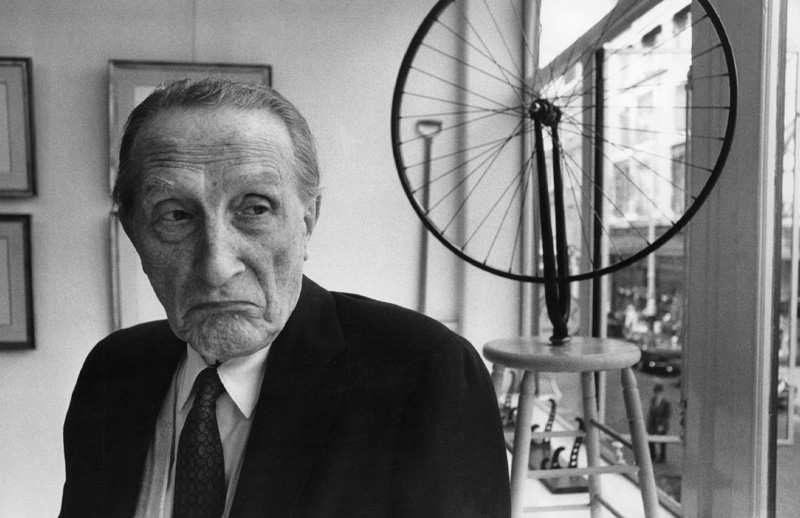
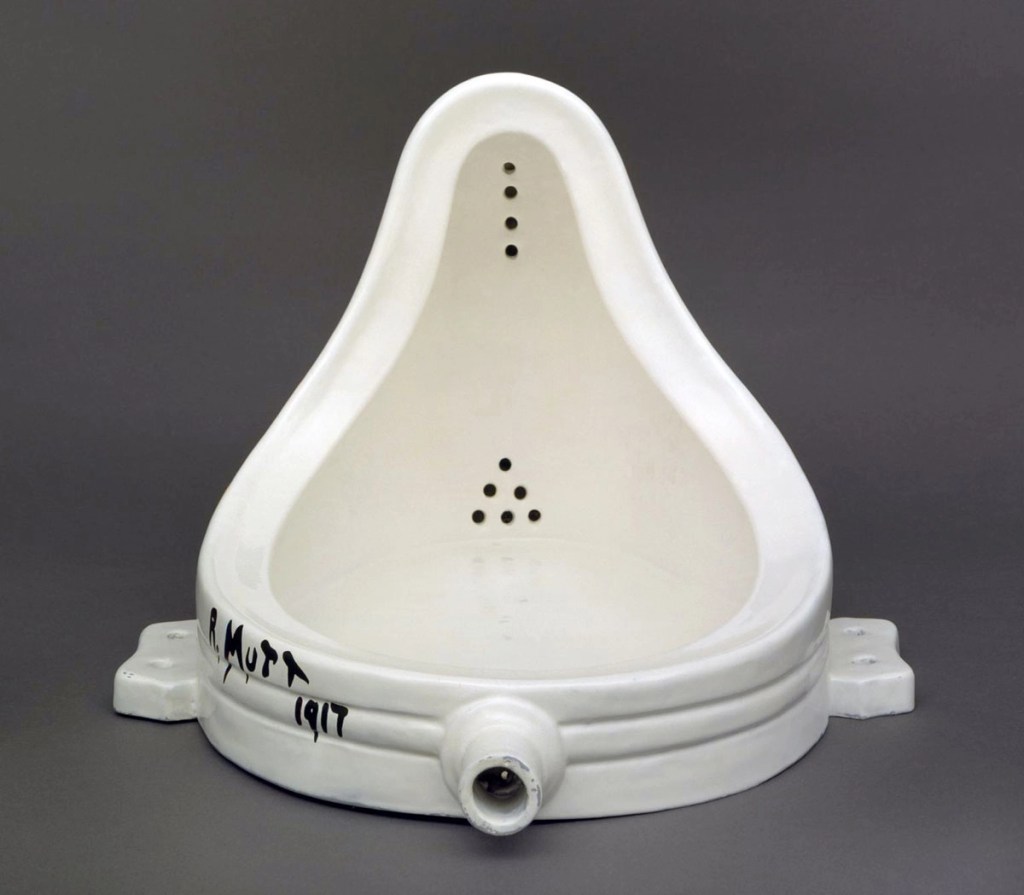
Pictured below, surrealist and dadaist Marcel Duchamp (also pictured below) sculpture titled “Fountain”.
Andre Breton
is the co-founder of the popular surrealist art movement. Surrealism thrust anti-rationalism into the 1920’s. The fate was sealed for the more nihilistic dadaism to retire in art history. Despite having developed more structure with boundaries, surrealism is still a potentially an unchecked tsunami carrying the power to destroy whatever empathy an artist might have. The world can collectively thank the earthquake, Andre Breton, and his crippling fear of women for the many women killed in the name of surrealism.
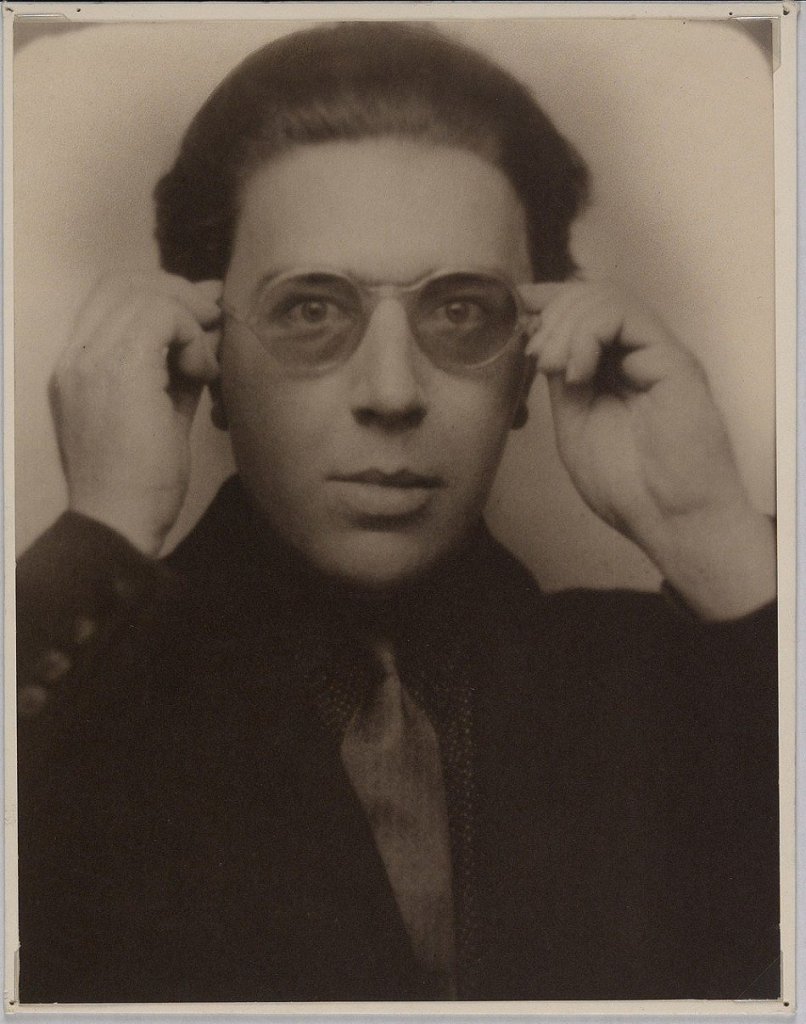
Breton was a writer and poet with a rebellious narrative. While I can respect a good rebellion, surrealism was less about breaking the rules and it was more about Breton vomiting his sick desires into the world. To run this point home, Breton detested the nihilism and destructive nature of dadaism. That’s not very rebellious of Breton. Furthermore, Breton stated that surrealism was his attempt to completely “transform the way individuals think by breaking free” from the metaphorical shackles of logic and reason. While that is more rebellious, it really is an empty platitude coming from Breton. Breton was an elite so what shackles has he ever been in? This “J-Lo-esque” poser is really just another elite narcissist stealing the brown narrative. If not rebellion, what was Breton accomplishing if anything?
Let’s explore the shriveled hate-filled brain of Andre Breton, don’t worry it won’t take long. Breton was inspired by another world-famous misogynist, Sigmund Freud. Like Breton, Freud also really hated women. It really is that simple. Freud famously explored the psychiatry of dreams and the unconscious. If you are interested in diving deeper into Freud’s relationship with surrealism or the “Aggression-Mating Switch” within the male amygdala, click here. I will not give Breton credit for copy and pasting Freud into his own work.
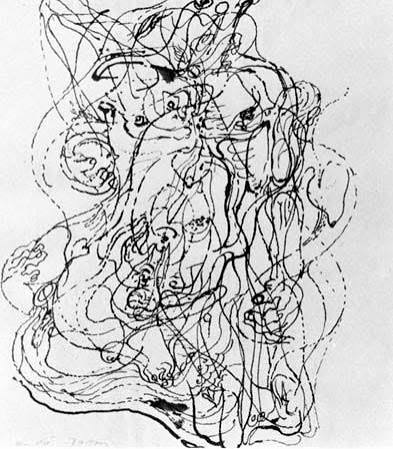
In 1924, Andre Breton did actually publish the first “Surrealist Manifesto” where he defined surrealism as “pure psychic automatism”. In Breton’s novels, he sought to liberate the unconscious mind and reconcile it with conscious reality. The surrealist movement attempted to focus on the importance of dreams and the unconscious mind. Like I said, copy and pasted Freud.
In the image to the left, French artist Andre Masson drew with a surrealism technique called “Automatic Drawing” (MoMA 1924).
“[surrealism] is pure psychic automatism” – 1924 Andre Breton from the Surrealist Manifesto.
The Exquisite Corpse
is both 1) a 2006 novel; and 2) a surrealism parlor game. In 2006, Nelson and Bayliss wrote the Exquisite Corpse novel, which connected the surrealist art movement to the 1947 Black Dahlia murder for the first time on a large scale (Nelson and Bayliss). The novel, pictured to the right, is named after the surrealist parlor game (The Dial Murder Network).
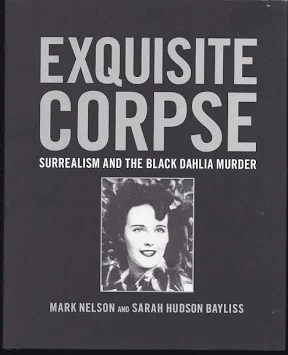
Man Ray and Andre Breton are both co-founders of surrealism and the Exquisite Corpse game. The Exquisite Corpse is a collaborative art game designed to unleash the artist’s subconscious. In the game, there two (2) or more artists who contribute to one (1) art piece. The game has one simple rule: prevent all artists from inspiring one another.
The game has one simple rule: prevent all artists from inspiring one another.
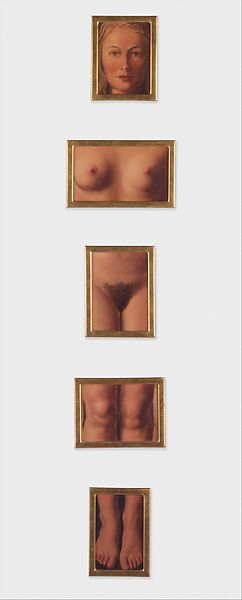
In the winter of 1925-1926 Man Ray, Andre Breton, Yves Tanguy, and Max Morise created the “untitled” drawing (pictured below on the left) from a round of the Exquisite Corpse game (Art Institute Chicago). Note the folded paper in “untitled” compared to Rene Magritte who took the folded imagery and expanded upon that idea to his oil paintings. Magritte tore the completed nude portrait of his wife into five (5) separate paintings for separate framing. The second image on the right is 1948 Rene Magritte painted “The Eternally Obvious” (Seaver et al.).
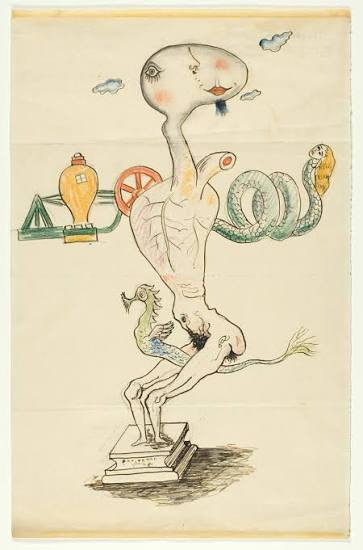
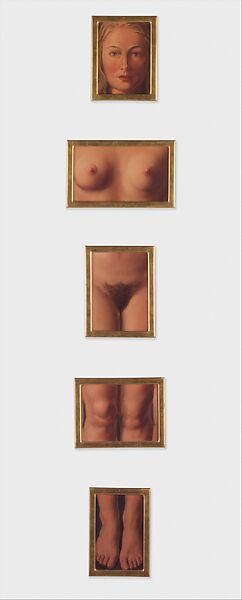
As pictured above, both the 1925 “untitled” drawing and 1948 “The Eternally Obvious” art are paired together to demonstrate the piecemeal nature of surrealism. In a similar way, Magritte transposed the metaphorical folds into his oil paintings. I then took this surrealism technique further to compare this fold-cut method to the Black Dahlia case, pictured below. The similarities become impossible to ignore between surrealism and the Black Dahlia case.
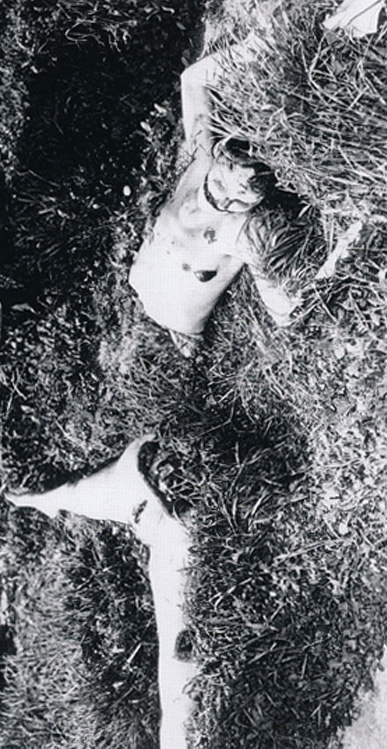
The Hemicorporectomy Operation
was completed on Elizabeth Short; however, she was not completely bisected because her digestive tract remained almost completely unscathed. None of the ingested feces spilled outside the tract by the time the coroner examined her. The hemicorporectomy was conducted so expertly that this modus operandi (MO) could have only been obtained in one (1) of two (2) ways:
- Medical School Student trained specifically in this procedure; or
- Dr. Frederick E. Kredel first introduced the hemicorporectomy as a possible operation in 1951.
- Elizabeth Short was murdered in 1947.
- Based on the dates alone, it is not likely that the suspect(s) learned the hemicorporectomy in medical school.
- WorldWar II (WWII) Medic veteran military medic.
- Battlefield injuries accelerated the advancement in surgical medicine.
- WWII left the globe in turmoil between the years 1939 and 1945.
- At the time, the hemicorporectomy was considered one (1) of the most revolutionary of all operating procedures. Since Elizabeth Short was murdered in 1947, the surgeon most likely learned the hemicorporectomy as a military medic in WWII. Andre Breton was a confirmed medic for France in WWII.
“Elizabeth Short was murdered in 1947, the surgeon most likely learned the hemicorporectomy as a military medic in WWII. “
This highly-trained surgeon performed the hemicorporectomy at a terrifyingly fast speed of anywhere between six (6) and eight (8) hours. The total time between the time of death (TOD) and body discovery was only ten (10) hours. The suspect(s) murdered, bisected, exsanguinated, cleaned, completed a partial mastectomy, sodomized, transported (to a public space), and staged Elizabeth Short in a mere ten (10) hours without interrupting or spilling any of her digestive tract. The suspect(s) forced Short to ingest feces (unknown species or DNA) prior to her murder.
Opposing Criminal Profiles
based on patterns of ecchymoses (Carson and American Academy of Forensic Sciences) included in coroner’s report (The Dial Murder Network).
- The organized criminal profile is associated with higher-level intelligence. The hemicorporectomy and post-mortem cleansing of the body show pre-meditated planning and organized crimes.
- The disorganized criminal profile requires lower-levels of intelligence, but higher-levels of impulsivity. The feces in the stomach and erratic slashes across Short’s face and pubic region demonstrate an impulsive and disorganized crimes.
Both organized and disorganized criminal profiles are common when there are more than one (1) suspects involved in the murder and rape of the same victim(s). The coroner’s report highlights that two (2) or more suspects are responsible for the rape, murder, and desecration of Elizabeth Short.
The coroner’s report highlights that two (2) or more suspects are responsible for the rape, murder, and desecration of Elizabeth Short.
Art pieces, like the “Ballerinas” or “La Jumelle (The Twin)” show common surrealist poses with that demonstrate bisection. If these poses alone were the only connection to surrealism, I can understand why no formal investigation was conducted. However, the Black Dahlia case and surrealism overlap with numerous true-crime symbolic synchronicities, opposing criminal profiles, and a shared elite friend-group. 1920’s Paris turned surrealist art into true-crime confessions. When evidence connects key suspects, the victim, and surrealist artists; then NOT re-opening the investigation becomes obstruction of justice.
When evidence connects key suspects, the victim, and surrealist artists; then NOT re-opening the investigation becomes obstruction of justice.

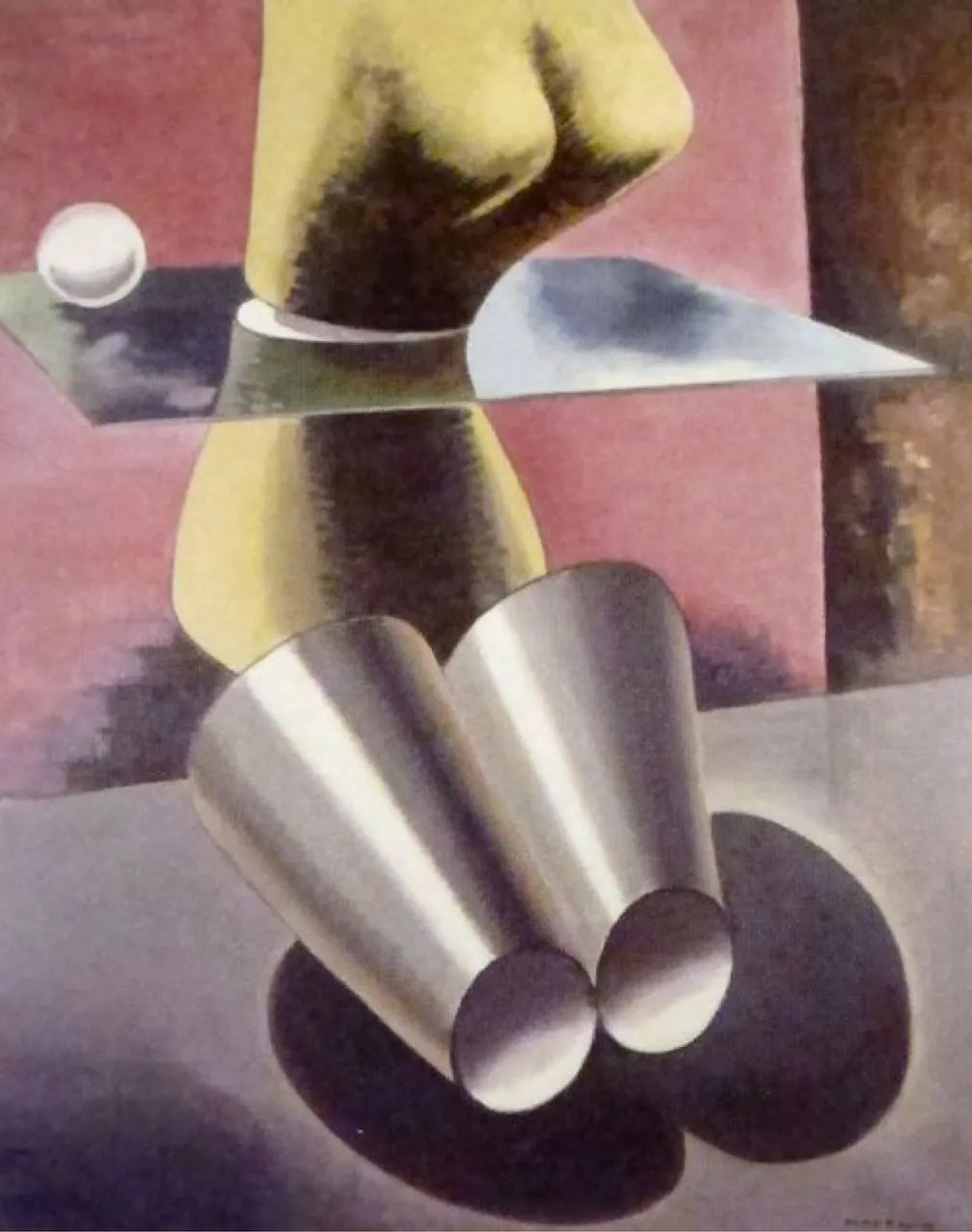
Hans Bellmer
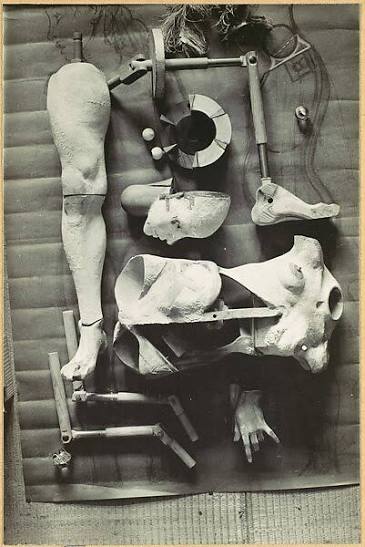
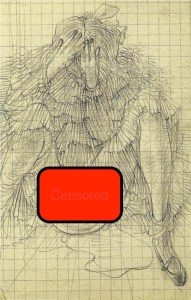
Han’s Bellmer was a surrealist artist who focused on exploring disfigurement, dismemberment, and severing of the female form through dolls (and hopefully only dolls).
Bellmer would rearrange the limbs of a life-size nude doll in a variety of positions and public environments. The comparison between the Black Dahlia murders and Hans Bellmer is a hard one to overlook. The Black Dahlia case mirrors the dehumanization of women in the surrealist art movement like in Hans Bellmer work to the right (Tatna).
The Hans Bellmer sketch below is censored. In the sketch, Hans Bellmer places a terrified female on top of a dinner plate where she has relieved herself of urine and fecal matter. This unmistakeble imagery mirrors the ways in which Elizabeth Short was tortured. The suspects forced Short to ingesting feces just before her murder (Wikiart). Hans Bellmer cannot be ruled out as a potential suspect.
Man Ray
was an American avant-guard photographer and surrealist artist. Pictured below is Man Ray art showing his self-made surrealist technique “Rayographs” for creating photographic objects directly on light-sensitive paper and then exposing the assemblage.
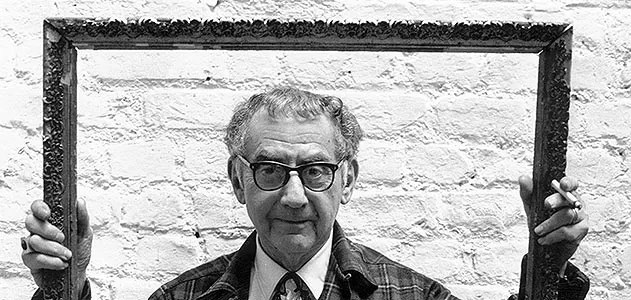
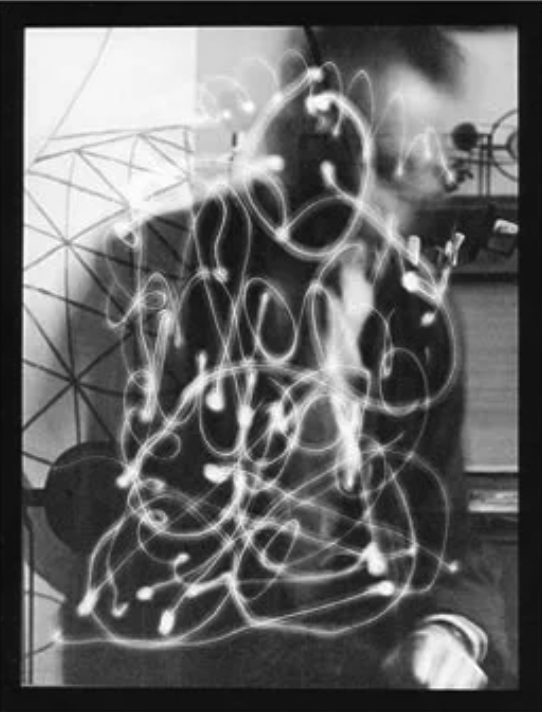
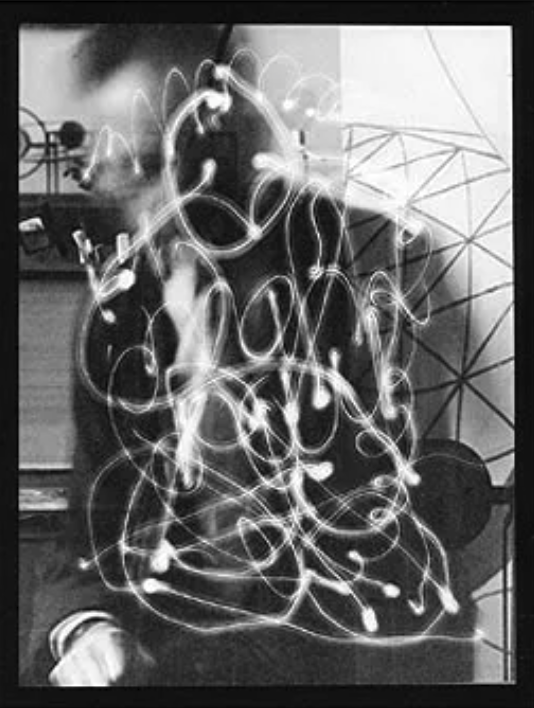
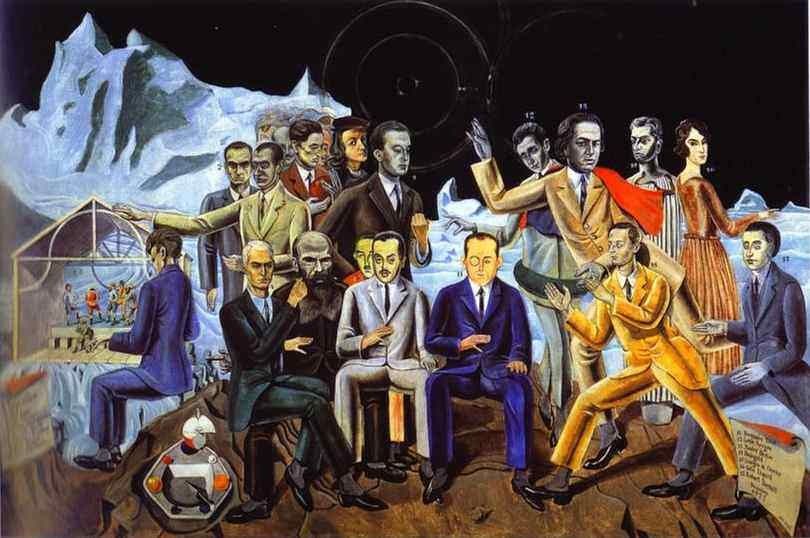
Man Ray was considered the photographer for the Elite, some of his clients and closest friends included Picasso, Salvador Dali, and Mark Hansen. In 1921 Man Ray followed Marcel Duchamp to Paris, where he stayed until the Nazi’s invaded Paris in 1940. Man Ray left for Hollywood where he worked as a fashion photographer until returning to Paris in 1951 (Callard and Smithsonian Magazine). This places Man Ray in Los Angeles, California during the Black Dahlia homicide in 1947. 1920’s surrealism in France is appearing more guilded than ever for embracing violent acts against women.
This places Man Ray in Los Angeles, California during the Black Dahlia homicide in 1947.
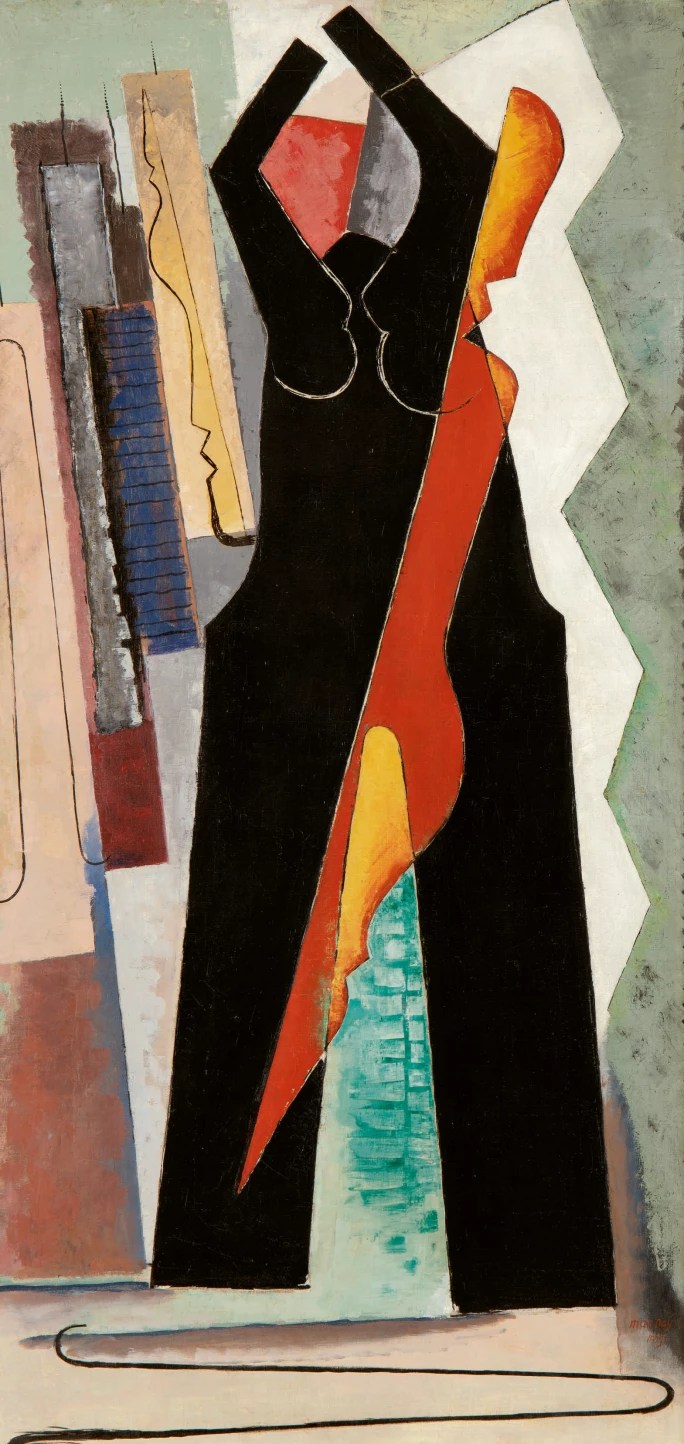
In 1915, Man Ray painted the “Black Widow (Nativity)” (Black Widow) pictured below. As you can see behind the Black Widow, I have placed the “covered” photograph of the Elizabeth Short crime scene in Los Angeles (The Dial Murder Network). The surrealist-pose in the Black Widow extends far beyond surrealism-themes and dive deeply into shockingly visceral details that mirror Elizabeth Short’s torture and murder:
- Arms extended above the head like a marionette silently saying: “controlled”. The black widow’s elbows are also bent in the same way that Elizabeth Short was posed.
- The signature Man Ray photograph of the teeth between the straight and spread legs. Though there are not records indicating bite marks, teeth are still incredibly unsettling. Elizabeth Short’s Legs were also straight and spread open.
- The bright orange and red surgical scalpel that cuts across the Black Widow. Elizabeth short was bisected expertly by a suspect with surgical skill to complete a successful hemicorporectomy.
- Man Ray’s father was a seamstress, which is certainly captured with the addition of the needle and thread. Pair the scalpel with the needle and thread, the art transforms into more of a violent threat.
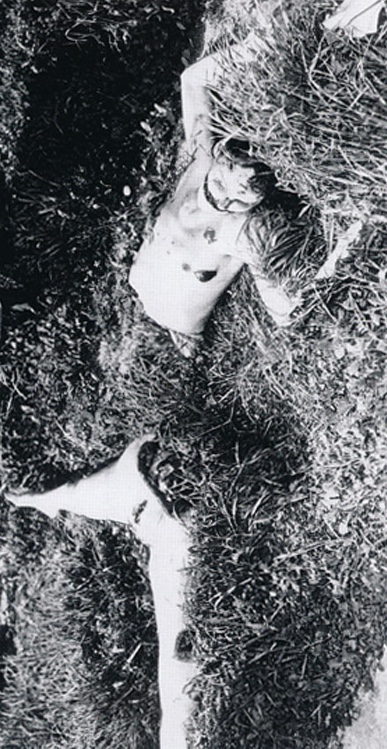
The last photographs of Elizabeth Short directly connect Mark Hansen, Dr. George Hodel, and Man Ray directly to the murder of Elizabeth Short. George Hodel’s son, Steve Hodel, was a former LAPD detective. When Dr. George Hodel died, Steve Hodel found these evidence-critical photographs that were taken by Man Ray. The Hodel photos include a 22-year old alive Elizabeth Short and Mark Hansen (Fitts and The Guardian).
The last photographs of Elizabeth Short directly connect Mark Hansen, Dr. George Hodel, and Man Ray to the murder of Elizabeth Short.
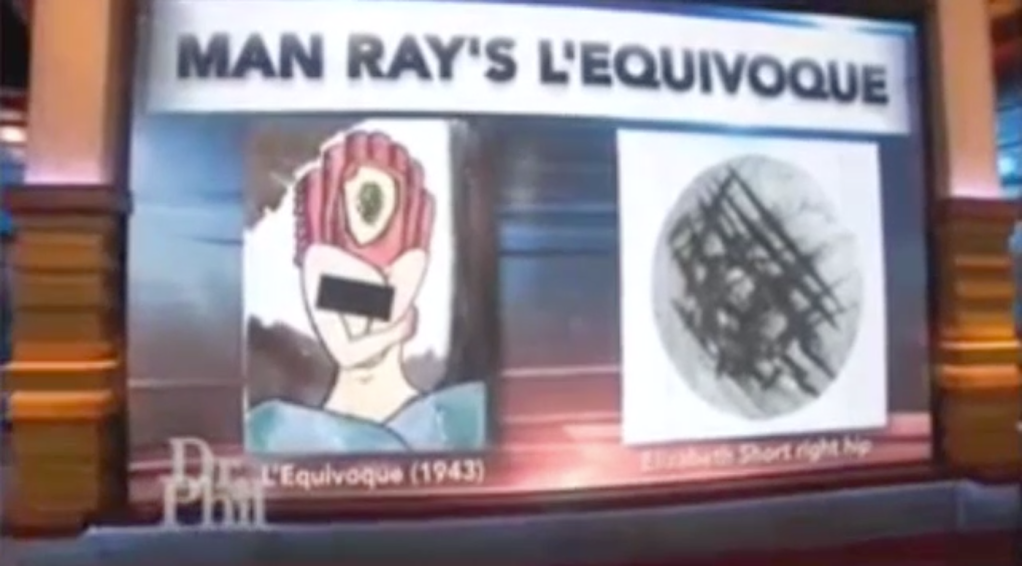
For years, former Detective Steve Hodel attempted to re-open the Black Dalia Case based on new evidence and sound police breadcrumbs. To this day, LAPD leadership continues to reject all requests to re-open the case (Fitts and The Guardian). Why didn’t the LAPD re-open the Elizabeth Short case as a result of discovering new evidence? Why did George Hodel have these damning photos if he was not involved in Elizabeth Short’s brutal murder?
To this day, LAPD leadership continues to reject all requests to re-open the case (Fitts and The Guardian).
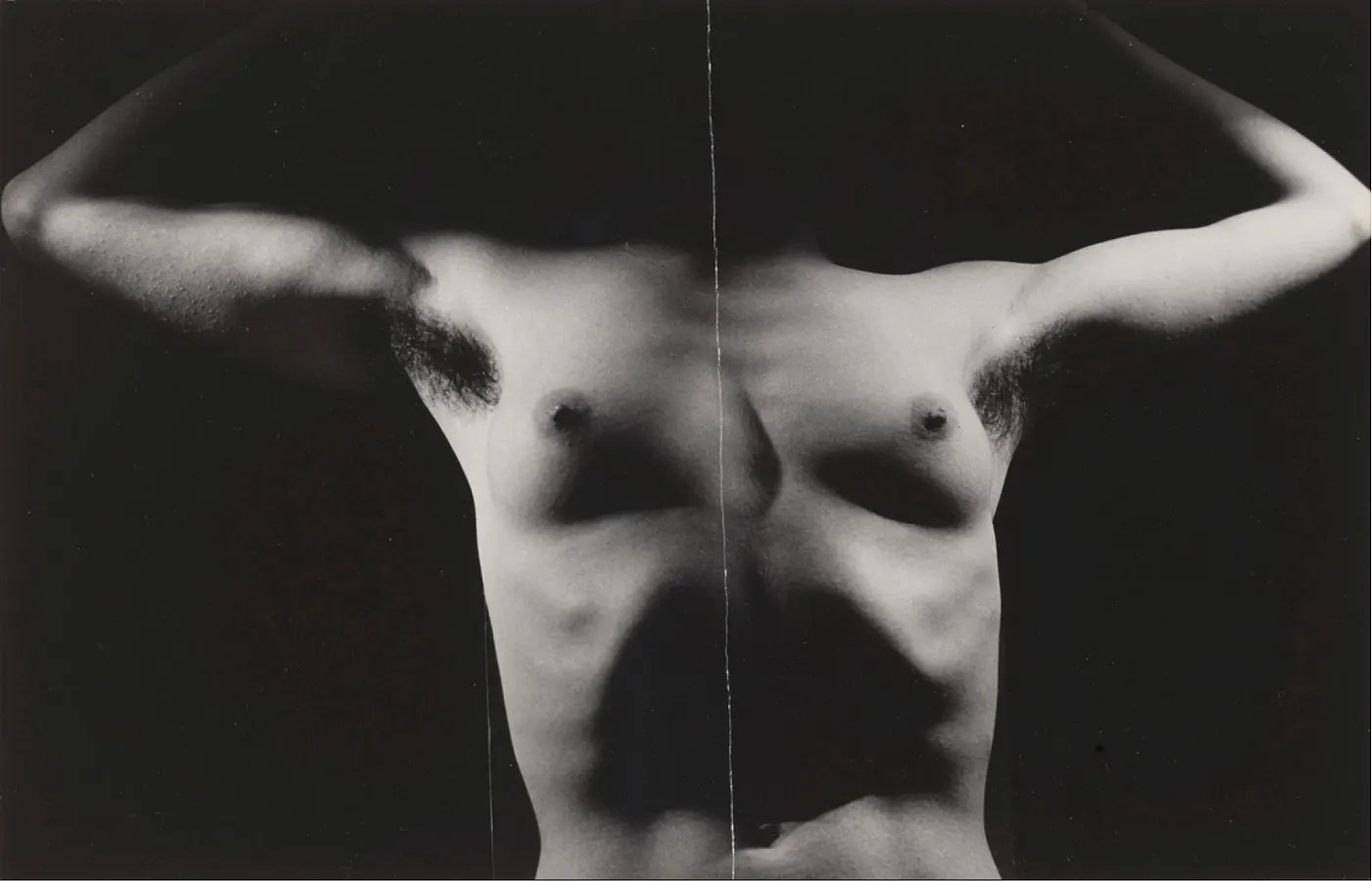
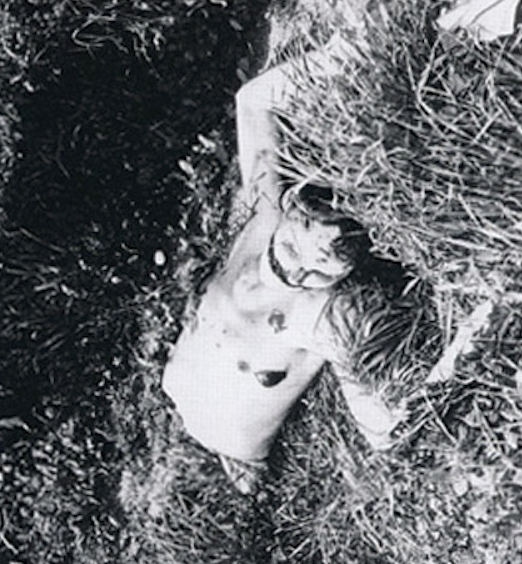
Black Dahlia Conclusions
Surrealism is often rejected for crossing societal boundaries and then setting those boundaries on fire with extreme internalized misogyny. The allure of surrealism is deeply intertwined with it’s own pitfalls, both hidden within the deep vacuum of creative chaos. When an artist fully separates the seen from the unseen, the decent from the atrocious, and the conscious from the unconscious, he murders the God-given empathy that was designed to save us from ourselves.
Surrealism is often rejected for crossing invisible societal boundaries and then setting those boundaries on fire with extreme internalized misogyny.
Surrealism founders learned to simply “say less” publicly, rather than develop a foundation for morality. Many predators are specifically drawn to the disturbing nature of surrealism because they seek a convenient alibi for their murderous proclivities. A monster in his own right, Andre Breton loosely defined the boundaries of surrealism with as little restriction on the narcissist’s primitive nature as possible. In the hands of untethered men, surrealism unleashes the most depraved of our own inhumane nature.
In the hands of untethered men, surrealism unleashes the most depraved of our own inhumane nature.
Unexpectedly, the Epstein File releases in 2026 inspired a curiosity within myself to revisit the 1920’s Golden Age of Hollywood Black Dahlia case. I began peering into this cold-case through an occult lens. The Epstein Files have clearly demonstrated the raw power of hidden satanic (dare I say “biblical”) cabals. True crime rules have been completely rewritten and these rules will never be the same. Gone are the days of limiting suspect pools to only one (1) or two (2) total suspect(s). It is now very possible that a secret cabal, of wealthy elites, was running 1920’s Los Angeles, California and that this cabal was also involved in the murder of Elizabeth Short, the Black Dahlia.
The Black Dahlia has the added complexity of having opposing criminal profiling suspects based on both alive and post-mortem mutilations alone. In Elizabeth Short’s case, there is a show of meticulous behavior that is typically indicative of an organized and pre-meditated homicide, especially when the aggressor is a more intelligent murderer suspect. The characteristics of an organized-killer presented in the Black Dahlia case include:
- the 7-hour (minimum) hemicorporectomy operation (at the duodenum); and
- the post-mortem cleansing of the body.
On the other hand, some of the disorganized-killer behaviors present in the Black Dahlia case consist of:
- ingested feces present in the stomach; and
- erratic chaotic slashes across Elizabeth Short’s face and pubic region.
Particularly unsanitary conditions of the crime scene, like ingested feces, are indicative of a suspect with mental health illnesses that also affect his own hygiene. Additionally, an emotionally-fueled (intimate and cruel) homicide indicates less control over emotional regulation. The opposing criminal profiling signatures both organized-disorganized and strategic-impulsive patterns in the Elizabeth Short autopsy; therefore, there are two (2) or more suspects (or artists) responsible for Elizabeth Short’s murder and mutilation.
Therefore, there are two (2) or more suspects (and artists) responsible for Elizabeth Short’s murder.
Art pieces, like the “Ballerinas” or “La Jumelle (The Twin)” re-emphasize common surrealist poses with the theme of bisection. If these poses alone were the only connection to surrealism, I can understand why no formal investigation was conducted. However, the surrealist synchronicities stretch further into the confession territory. When evidence connects key suspects, the victim, and surrealist artists, then NOT re-opening the investigation becomes obstruction of justice.
When evidence connects key suspects, the victim, and surrealist artists, then NOT re-opening the investigation becomes obstruction of justice.
Marcel Duchamp
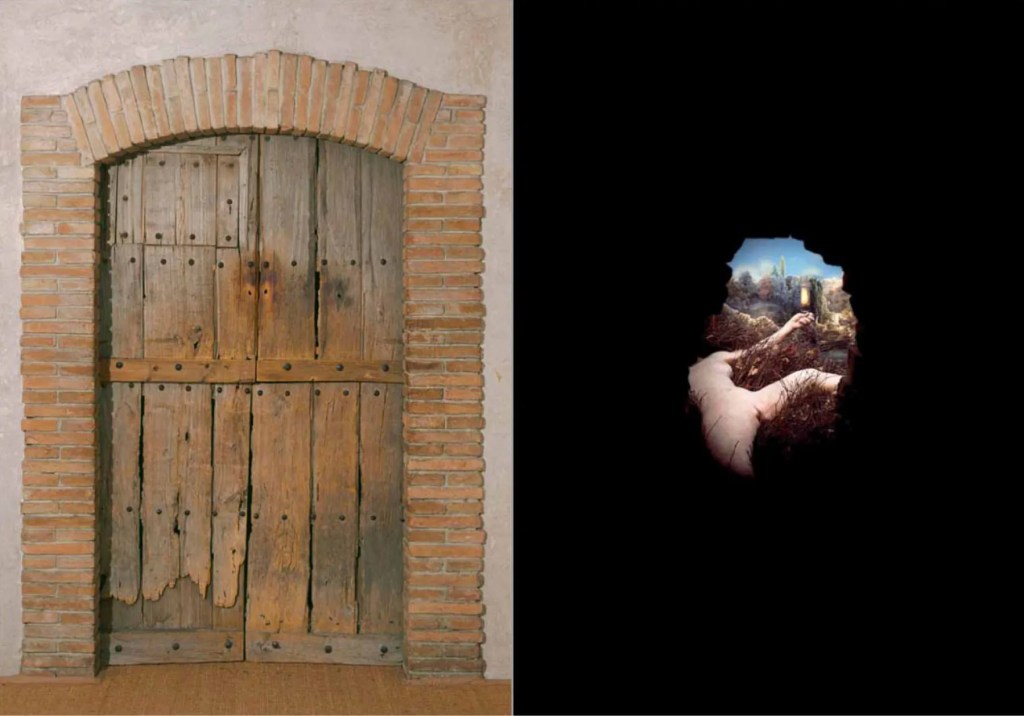
In 1966 or 1946, “Etant Donnes: 1. The Waterfall, 2. The Illuminating Gas” by Marcel Duchamp is a full door structure with a painting that can only be seen through a peephole in the door (Pasquarelli). Interestingly, Marcel Duchamp kept this art piece hidden from the public and spent the remainder of his final living decade finishing the “Etant Donnes” only to unveil his piece a mere two (2) years prior to his death. While Elizabeth Short was not decapitated, like in the art above, her skin is porcelain laid on a bed of grass with her legs spread open and a lantern in her hand send the symbolic dog-whistle of surrealism and freudian psychological influence. There are two (2) possibilities for the Black Dahlia and Duchamp to align:
- Duchamp’s surrealist art was inspired by the events of the Black Dahlia case; or
- More likely, the reverse is true: Duchamp planned the Black Dahlia “Masterpiece” with his close friends and confidants Breton, Ray, and Bellmer.
Duchamp with the other surrealists, are suspects until evidence and locations prove otherwise. The surrealist artists cannot be ruled out as possible suspects. Some art historians claim that Duchamp painted “Etant Donnes: 1. The Waterfall, 2. The Illuminating Gas” in 1946, or before Elizabeth Short was murdered. These best friends for life (BFFL), Duchamp, Ray, Bellmer, and Breton, were socially known to have intimate details of each other’s lives. If one or more members of this LA cabal participated in murdering Elizabeth Short, all of the BFFL surreal-cruel-babysitters club certainly were informed on the details in advance.
Serial killers and rapists are helplessly trapped in their own false-symbology so much so that victim trophies or art pieces can become essential criminal signatures for predators. Serial killers are likely to create a worshiping diorama because they are towering narcissists.
Serial killers are likely to create a worshiping diorama because they are towering narcissists.
Carbon dating the paint within the Duchamp exhibit would at the very least rule out potential suspects based on age. Additionally, DNA samples of suspicious-red color paint in the “Etant Donnes…” and other suspicious surrealist art is something that would be more than wise to explore.
Duchamp began his Dahlia-inspired oil painting “Etant Donnes…” in either 1946 or 1966. Carbon-dating Duchamp’s famous art piece could rule-out potential suspects based on paint age alone. As his oil-painting required, Duchamp created an extra-credit assignment diorama with his personal instructions. This Duchant diorama was recreated by Natascha Niederstrass in 2018 in Ottawa, Canada (Niederstrass et al.).

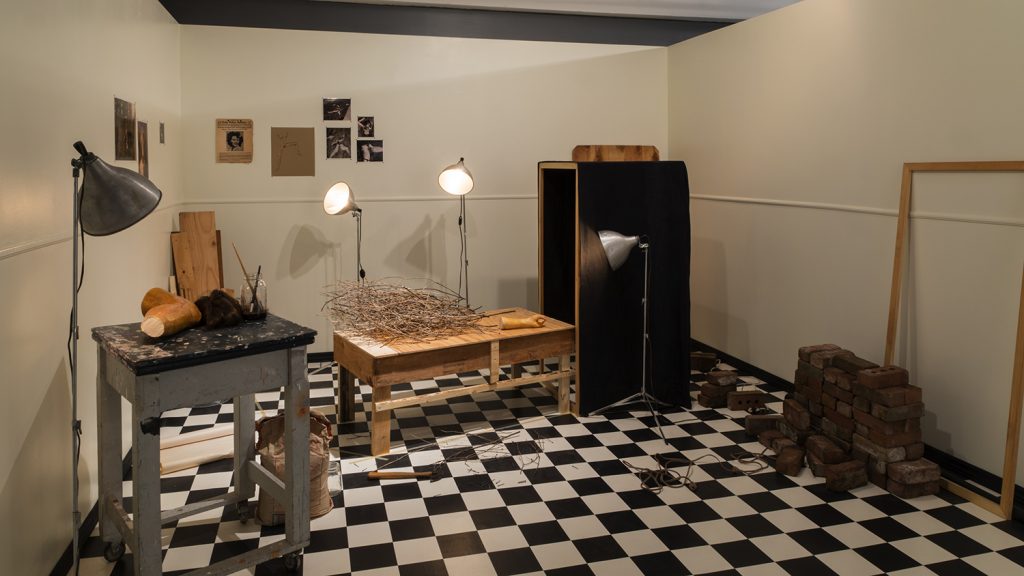
Artists have always walked the thin-red line between accepting societal rules and breaking said rules. With the Black Dahlia case, evidence has forced us to question whether or not the artist is the criminal. Today, Epstein has forced us to question how many are involved? With that, I leave you with my final-ish list of suspects who either financially and/or actively participated in the murder of Elizabeth Short (* indicate surrealist artists):
- Dr. George Hodel
- Mark Hansen
- *Man Ray
- *Andre Breton
- *Hans Bellmer
- *Marcel Duchamp
- Leslie Dillon
References
Anderson, David J. “OPTOGENETICS, SEX AND VIOLENCE IN THE BRAIN: IMPLICATIONS FOR PSYCHIATRY.” PMC, National Library of Medicine PMC PubMed Central, 15 December 2012, https://pmc.ncbi.nlm.nih.gov/articles/PMC3380604/. Accessed 5 March 2026.
Art Institute Chicago. “Exquisite Corpse.” The Art Institute of Chicago, Artists Rights Society (ARS), 2018, https://www.artic.edu/artworks/119118/exquisite-corpse. Accessed 5 March 2026.
The Art Newspaper. “Dali’s moustache still in fine form.” The Art Newspaper, 21 July 2017, https://www.theartnewspaper.com/2017/07/21/dalis-moustache-still-in-fine-form. Accessed 4 March 2026.
Callard, Abby, and Smithsonian Magazine. “Man Ray’s Signature Work.” Smithsonian Magazine, Smithsonian, 21 March 2018, https://www.smithsonianmag.com/arts-culture/man-rays-signature-work-8698967/. Accessed 9 March 2026.
Carson, Henry J., and American Academy of Forensic Sciences. “Patterns of ecchymoses caused by manner of death and collateral injuries sustained in bruising incidents: decedent injuries, profiles, comparisons, and clinicopathologic significance.” J Forensic Science, vol. doi: 10.1111/j.1556-4029.2010.01490.x, no. 2010 Nov;55(6), 2010, Pages 1534-42. PubMed, https://pubmed.ncbi.nlm.nih.gov/20629906/. Accessed 16 March 2026.
The Dial Murder Network. “The Black Dahlia in Hollywood.” The Life and Murder of Elizabeth Short, 2026, https://www.theblackdahliainhollywood.com/. Accessed 3 March 2026.
Fitts, Alexis Sobel, and The Guardian. “I know who killed the Black Dahlia: my own father.” The Guardian – US Crime, 26 May 2016, https://www.theguardian.com/us-news/2016/may/26/black-dahlia-murder-steve-hodel-elizabeth-short. Accessed 4 March 2026.
Graf, Stefanie, and Raoul Hausmann. “8 Famous Dada Artists Who Achieved Greatness.” TheCollector, 25 November 2023, https://www.thecollector.com/famous-dada-artists/. Accessed 4 March 2026.
Gurley, Alex, et al. “The Black Dahlia ‘Sobbed in Terror’ About a Death Threat Before She Was Found Cut in Half. Inside the Shocking, Still-Unsolved Murder.” People.com, People, 15 January 2026, https://people.com/elizabeth-short-murder-who-killed-black-dahlia-11883954. Accessed 5 March 2026.
Higgins, Charlotte, and The Guardian. “Barbican salutes Marcel Duchamp, the man who transformed 20th century art.” Exhibition called Dancing Around Duchamp celebrates legacy of an influential artist with paintings, dance, theatre and film, 15 October 2012, https://www.theguardian.com/artanddesign/2012/oct/15/barbican-marcel-duchamp-art-exhibition?utm_source=Pinterest&utm_medium=organic. Accessed 5 March 2026.
Instagram, and @salvador_dali_art. “”Lullaby of Uncle Magritte.” Instagram, 7 March 2021, https://www.instagram.com/p/CMHu3ETHK0q/. Accessed 28 February 2026.
McLeod, Saul. “Freud’s Theory of the Unconscious Mind: The Iceberg Analogy.” Simply Psychology, 25 January 2024, https://www.simplypsychology.org/unconscious-mind.html. Accessed 5 March 2026.
MoMA. “André Masson. Automatic Drawing. (1924).” MoMA, https://www.moma.org/collection/works/38201. Accessed 5 March 2026.
Nelson, Mark, and Sarah Bayliss. Exquisite Corpse: Surrealism and the Black Dahlia Murder. 2006.
Niederstrass, Natascha, et al. “Behind Closed Doors : Body of Evidence.” Natascha Niederstrass 2018 Gallery, 2018, https://nataschaniederstrass.com/en/behind-closed-doors/#:~:text=According%20to%20the%20author%20Jean,which%20often%20may%20seem%20hermetic. Accessed 14 March 2026.
Obelisk Art History. “The Persistence of Memory.” Obelisk Art History Project, 2022, https://www.arthistoryproject.com/artists/salvador-dali/the-persistence-of-memory/#:~:text=The%20Persistence%20of%20Memory%20is%20a%20Surrealist,Museum%20of%20Modern%20Art%20in%20New%20York. Accessed 2026 March 3.
Pasquarelli, Liv. “Surrealism and the Black Dahlia Murder.” Liv Pasquarelli, Medium, 16 July 2021, https://livpasquarelli.medium.com/the-bizarre-connection-between-surrealist-art-and-the-black-dahlia-murder-2d0d5258bd39. Accessed 6 March 2026.
Seaver, Richard, et al. “Surrealism.” The Metropolitan Museum of Art, 1 October 2004, https://www.metmuseum.org/essays/surrealism. Accessed 3 March 2026.
Small, Zachary. “Was Man Ray the Inspiration Behind the Black Dahlia Murder?” Hyperallergic, 28 March 2019, https://hyperallergic.com/was-man-ray-the-inspiration-behind-the-black-dahlia-murder/. Accessed 6 March 2026.
Sotheby’s. “SOTHEBY’S TO PRESENT: TOTEMS TWO EXTREMELY RARE AND MONUMENTAL MASTERWORKSBY GIORGIO DE CHIRICO AND MAN RAY.” Sotheby’s, 19 October 2020, https://www.sothebys.com/en/press/sothebys-to-present-totems-two-extremely-rare-and-monumental-masterworks-by-giorgio-de-chirico-and-man-ray. Accessed 5 March 2026.
Tatna, Meher. “Forgotten Hollywood: The Mystery of the Black Dahlia Killing.” Golden Globes, CBS and Golden Globes, 26 April 2023, https://goldenglobes.com/articles/forgotten-hollywood-mystery-black-dahlia-killing/. Accessed 5 March 2026.
Wikiart. “Sketchbook.” Wikiart, 31 August 2017, https://www.wikiart.org/en/hans-bellmer/sketchbook-1946-2. Accessed 5 March 2026.
Wikipedia. “Andre Robert Breton.” Wikipedia, 22 November 2025, https://en.wikipedia.org/wiki/Andr%C3%A9_Breton#:~:text=Andr%C3%A9%20Robert%20Breton%20(/br%C9%99%CB%88t%C9%94%CB%90n/;%20French:%20%5B%C9%91%CC%83d%CA%81e%20%CA%81%C9%94b%C9%9B%CA%81,a%20principal%20theorist%20and%20co%2Dfounder%20of%20surrealism. Accessed 5 March 2026.
 the Texas Grumble
Leave a comment